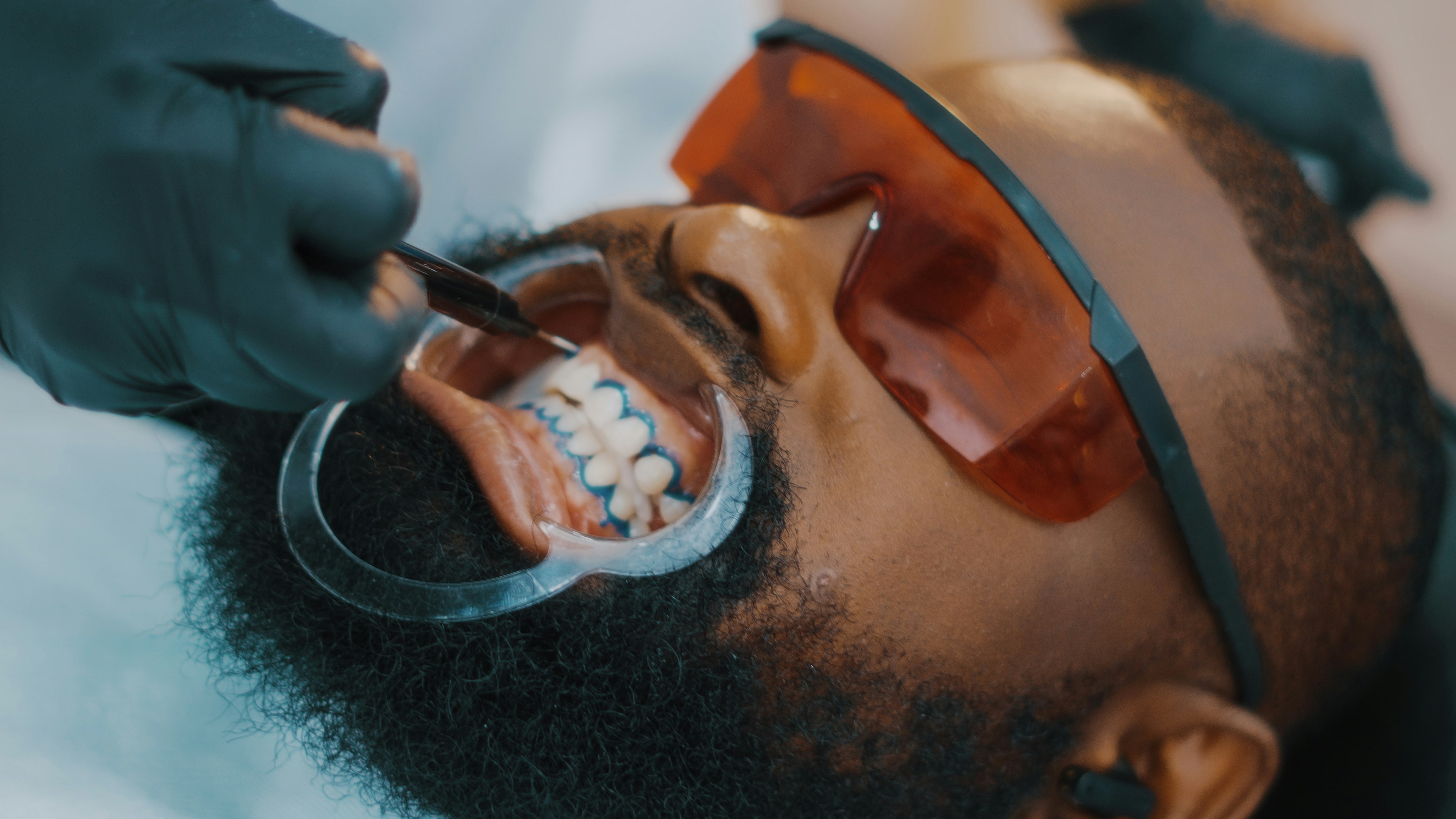
Discolouration is one of the most common concerns we hear at DentArt — and one of the most treatable. But the right approach depends entirely on understanding the cause. Not all discolouration is the same, and not all of it responds to the same treatment.
Extrinsic staining: what you consume
Extrinsic staining sits on or just within the outer enamel surface and is caused by what you eat and drink. Coffee, tea, red wine, and certain sauces are the most common culprits. Smoking is another significant contributor. This type of staining responds well to professional cleaning and whitening treatments — it's the most straightforward category to address.
Intrinsic discolouration: deeper causes
Intrinsic discolouration originates within the tooth structure itself. Causes include certain antibiotics taken during childhood tooth development, fluorosis from excessive fluoride exposure in early life, trauma to the tooth, and the natural yellowing that occurs as enamel thins with age and the darker dentine beneath becomes more visible.
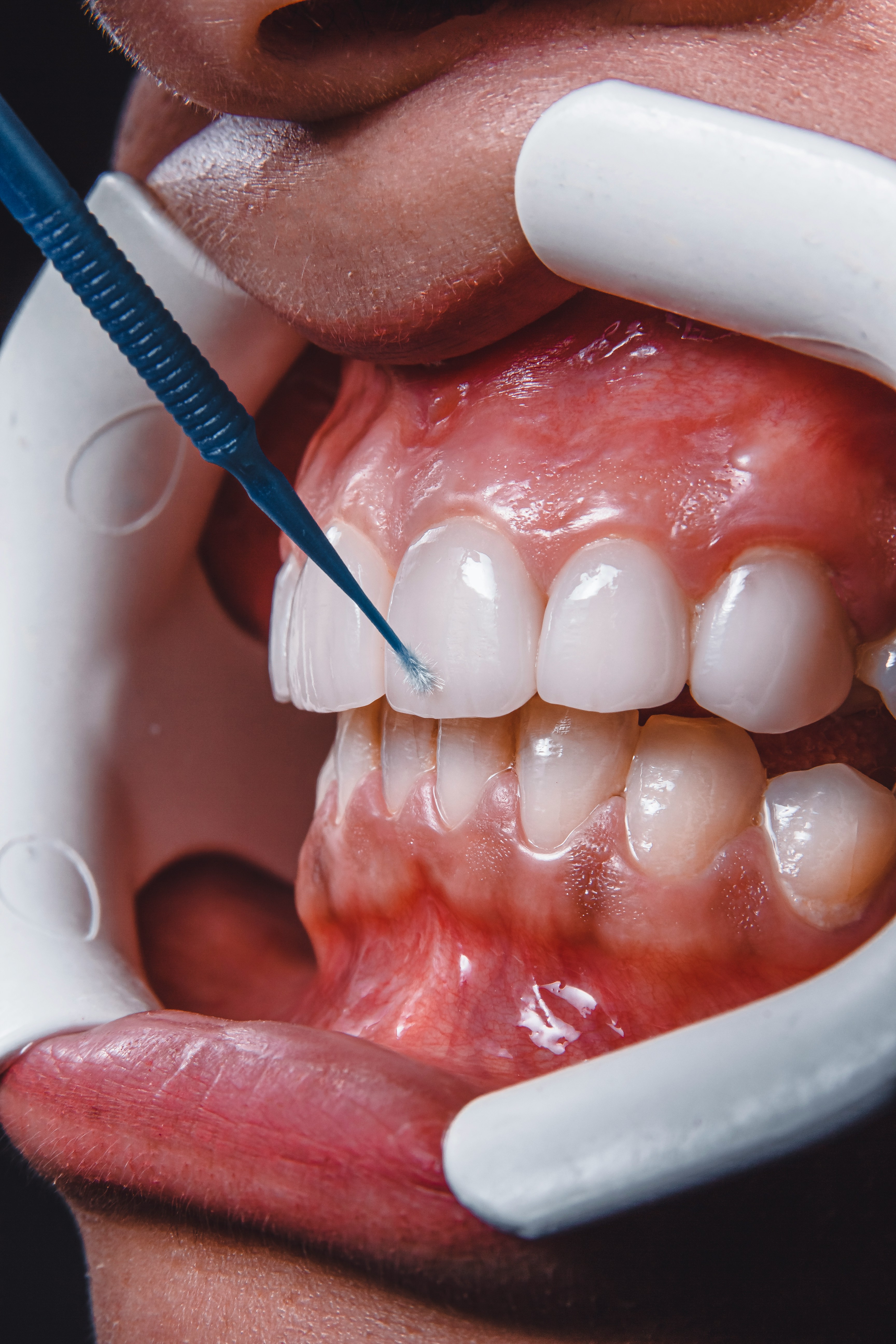
Intrinsic staining is more complex to treat. Whitening can improve it, but cases involving deep staining may be better addressed with veneers or crowns for a truly uniform result.
Getting the diagnosis right
At DentArt, we assess the nature and cause of your discolouration before recommending any whitening approach. The treatment that works well for surface coffee staining won't necessarily produce the same result for age-related or trauma-induced discolouration.
What to expect from a whitening consultation
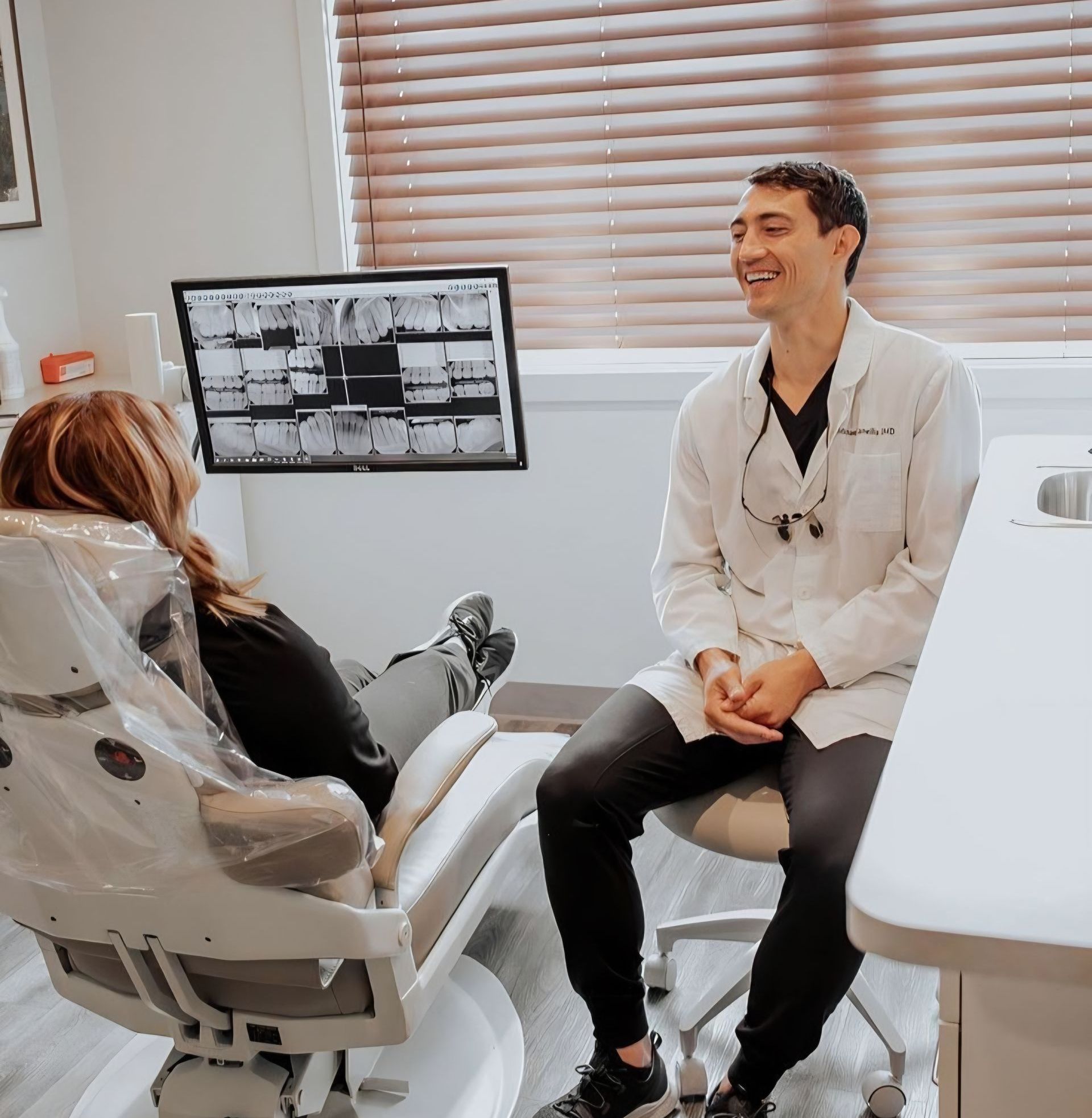
We'll examine your teeth, discuss your goals and timeline, and give you an honest picture of what's achievable — and what isn't. No overpromising. No one-size-fits-all treatment plans.
Curious about what's behind your discolouration? Book a whitening consultation and we'll give you a clear, honest answer before any treatment begins.