|

|

Gum Recession: Causes, Consequences, and Treatment Options

dentist portrait image

Elena Smirnova

Assistant

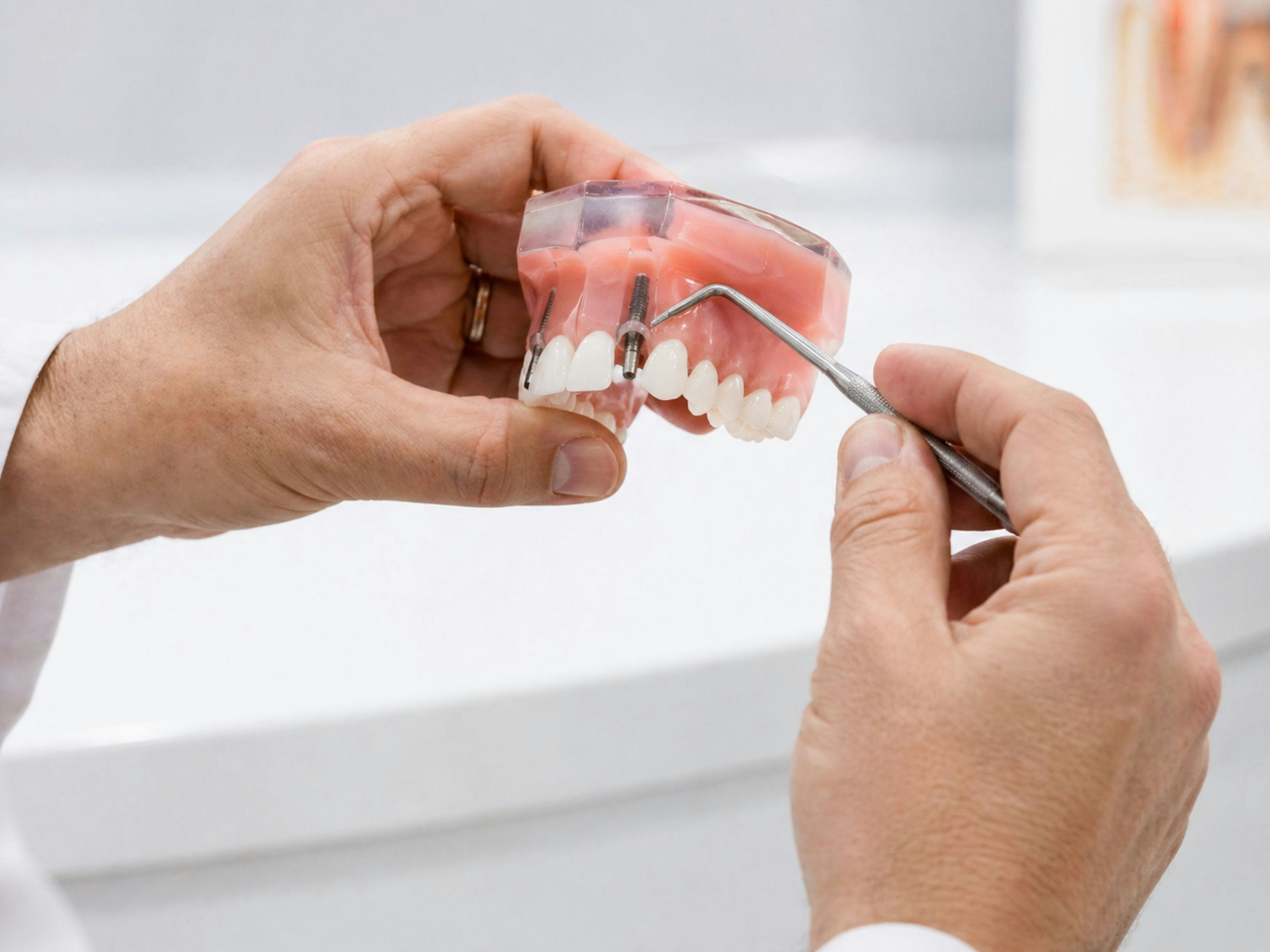
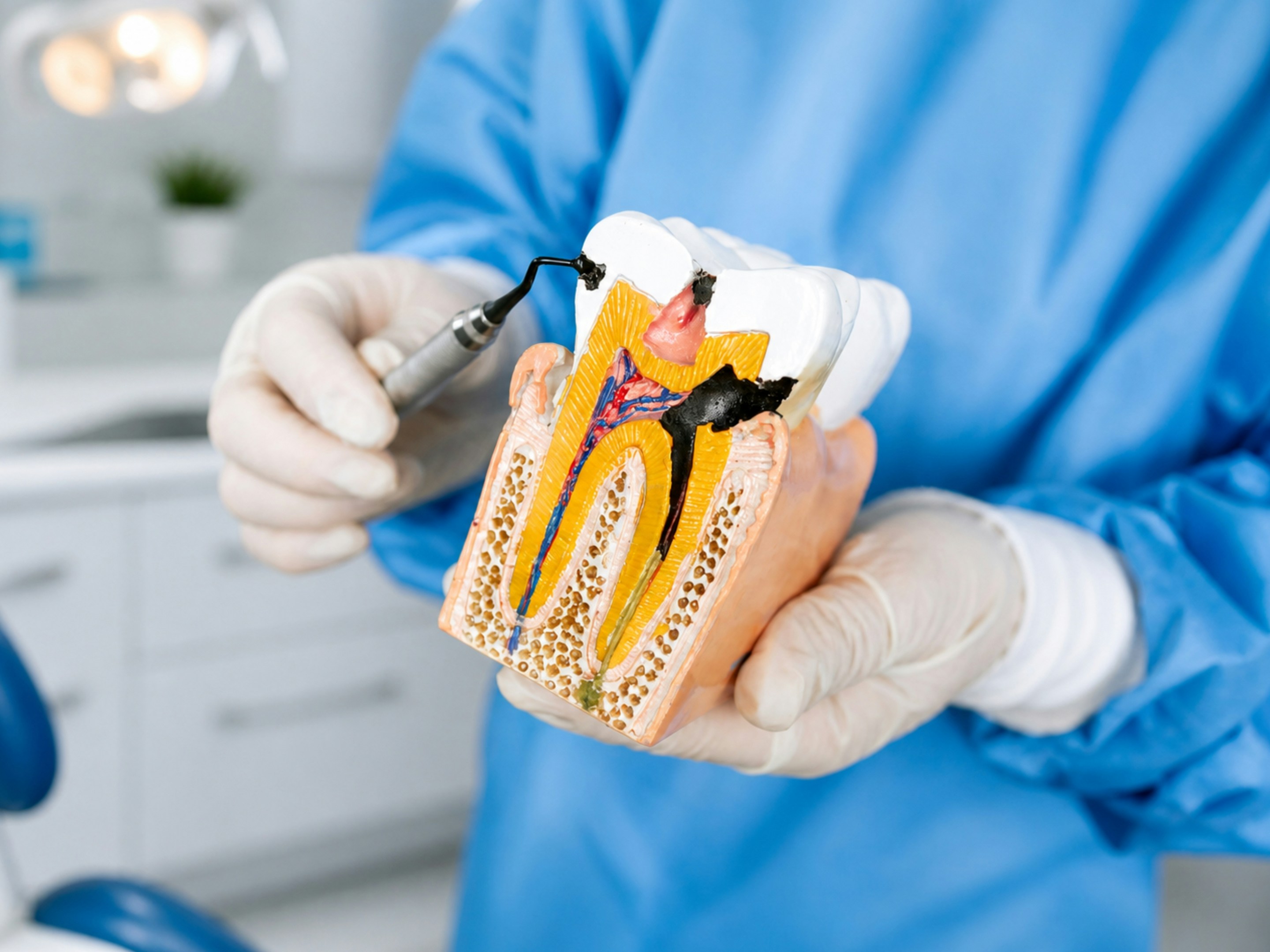
Dentist demonstrating dental implant on model

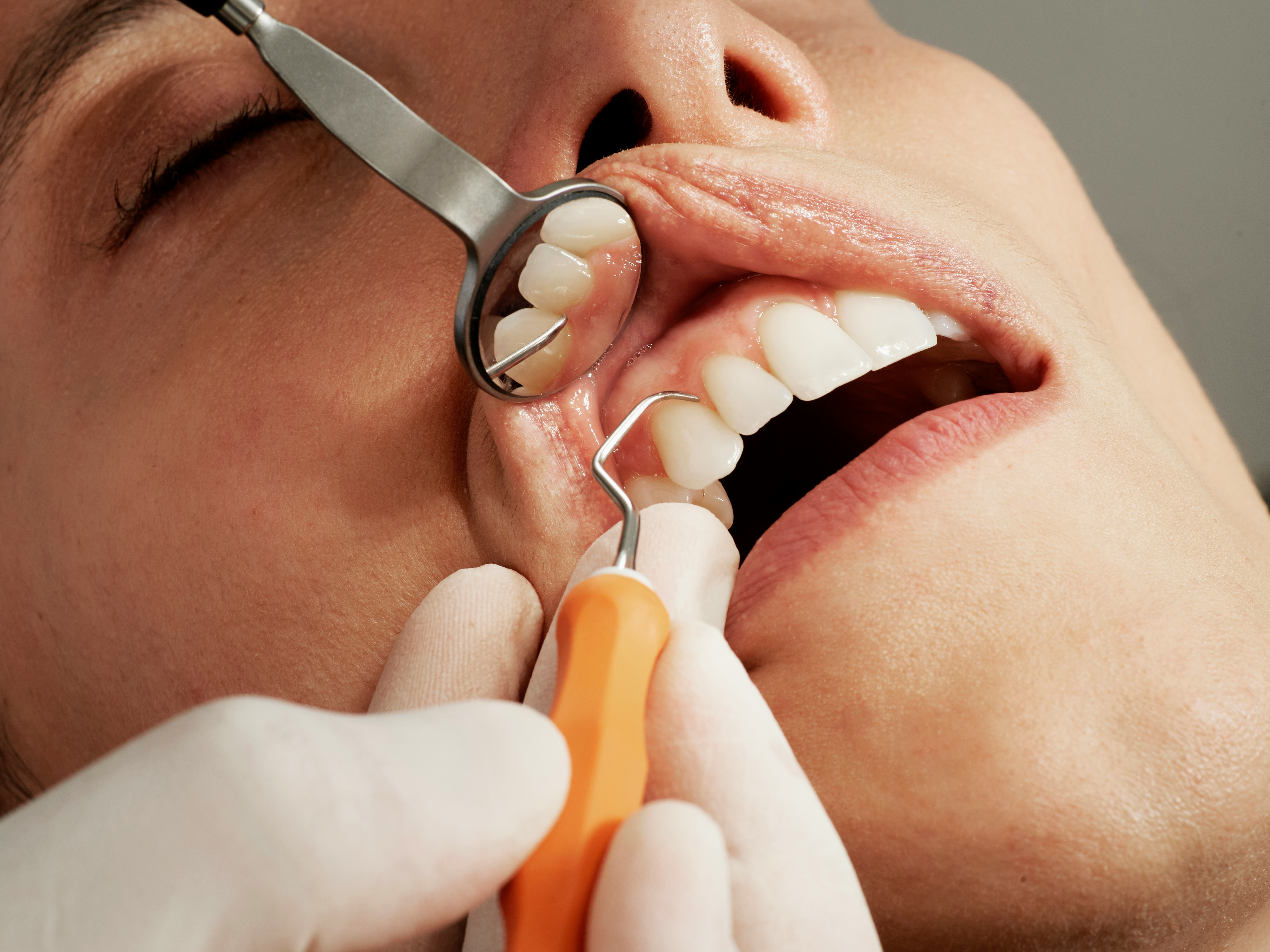
Gum recession — where the gum tissue pulls back from the tooth surface, exposing the root — is one of those conditions patients often notice gradually, if at all. A tooth that looks longer than it used to. Sensitivity to cold that wasn't there before. A notch you can feel at the gumline. By the time patients mention it, it's usually been happening for a while.

What causes recession

The causes are varied, and often surprising. Aggressive brushing is among the most common — scrubbing too hard does more harm than brushing too little. Gum disease, tooth grinding, orthodontic movement outside the natural bone envelope, thin gum tissue by anatomy, and lip or tongue piercings are other contributing factors.

Once gum tissue recedes, it doesn't regenerate on its own. The exposed root surface is softer than enamel and significantly more susceptible to decay and sensitivity.

Why it matters beyond aesthetics

Left unaddressed, recession can progress to the point where tooth stability is affected. The root surface lacks the protective enamel coating of the crown — it's more vulnerable to decay, more sensitive to temperature, and more prone to wear. Catching it early keeps the management options simple.

Treatment options

Mild recession is managed by addressing the cause — correcting brushing technique, treating underlying gum disease, or adjusting occlusal loading with a nightguard. More significant recession may require a gum graft: a minor surgical procedure in which gum tissue is transplanted to cover the exposed root and restore the natural gumline.

How we monitor it at DentArt

We measure and record recession at every checkup. Small changes over time are clinically significant — and having a baseline to compare against is what allows us to act at the right moment rather than too late.

Noticed a tooth looking longer or feeling more sensitive? Don't wait. Book an appointment and we'll assess what's happening and what needs to be done.

Noticed something off with your gums?

Book your appointment today.

Noticed something off with your gums?

Book your appointment today.

Subscribe to our newsletter

Get tips, treatment insights, and exclusive offers straight to your inbox.

Share on:

|

|

Gum Recession: Causes, Consequences, and Treatment Options

dentist portrait image

Elena Smirnova

Assistant

Dentist demonstrating dental implant on model

Gum recession — where the gum tissue pulls back from the tooth surface, exposing the root — is one of those conditions patients often notice gradually, if at all. A tooth that looks longer than it used to. Sensitivity to cold that wasn't there before. A notch you can feel at the gumline. By the time patients mention it, it's usually been happening for a while.

What causes recession

The causes are varied, and often surprising. Aggressive brushing is among the most common — scrubbing too hard does more harm than brushing too little. Gum disease, tooth grinding, orthodontic movement outside the natural bone envelope, thin gum tissue by anatomy, and lip or tongue piercings are other contributing factors.

Once gum tissue recedes, it doesn't regenerate on its own. The exposed root surface is softer than enamel and significantly more susceptible to decay and sensitivity.

Why it matters beyond aesthetics

Left unaddressed, recession can progress to the point where tooth stability is affected. The root surface lacks the protective enamel coating of the crown — it's more vulnerable to decay, more sensitive to temperature, and more prone to wear. Catching it early keeps the management options simple.

Treatment options

Mild recession is managed by addressing the cause — correcting brushing technique, treating underlying gum disease, or adjusting occlusal loading with a nightguard. More significant recession may require a gum graft: a minor surgical procedure in which gum tissue is transplanted to cover the exposed root and restore the natural gumline.

How we monitor it at DentArt

We measure and record recession at every checkup. Small changes over time are clinically significant — and having a baseline to compare against is what allows us to act at the right moment rather than too late.

Noticed a tooth looking longer or feeling more sensitive? Don't wait. Book an appointment and we'll assess what's happening and what needs to be done.

Noticed something off with your gums?

Book your appointment today.

Subscribe to our newsletter

Get tips, treatment insights, and exclusive offers straight to your inbox.

Share on:

Other

articles

on

Gum Health

Your journey to a perfect smile

Join thousands of patients who have transformed their smiles with us. Book a free consultation today.

man in blue dress shirt and blue denim jeans standing near black flat screen computer monitor
a person in a dentist chair with a mask on
man in gray polo shirt smiling

Your journey to a perfect smile

Join thousands of patients who have transformed their smiles with us. Book a free consultation today.

man in blue dress shirt and blue denim jeans standing near black flat screen computer monitor

Your journey to a perfect smile

Join thousands of patients who have transformed their smiles with us. Book a free consultation today.

man in blue dress shirt and blue denim jeans standing near black flat screen computer monitor
a person in a dentist chair with a mask on
man in gray polo shirt smiling

Create a free website with Framer, the website builder loved by startups, designers and agencies.