|

|

The Link Between Stress and Your Gum Health

dentist portrait image

Dr. Sarah Anderson

Cosmetic Dentist

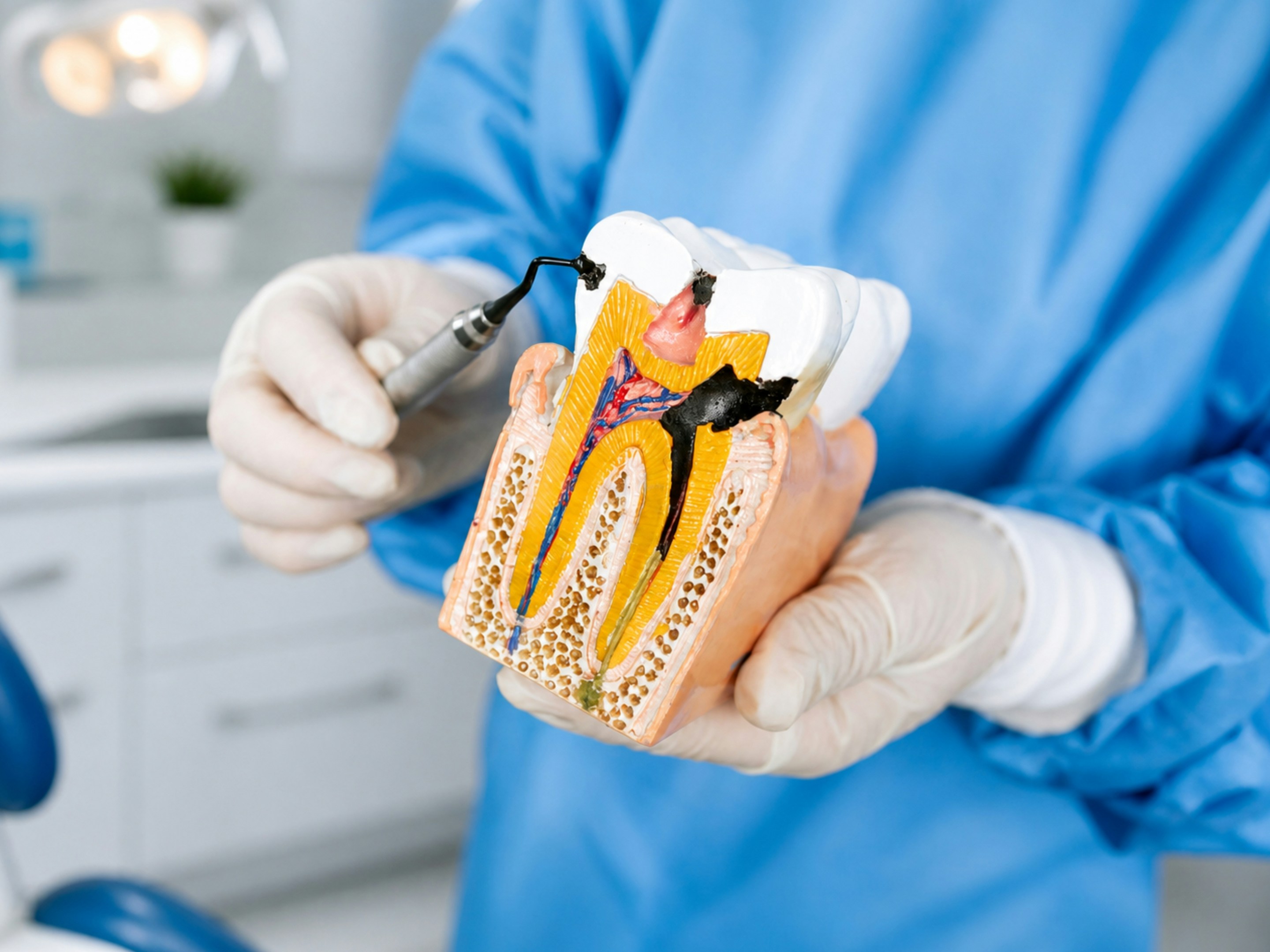
Dentist showing a model of a damaged tooth

The relationship between psychological stress and oral health is well established in the research literature — and consistently underappreciated by patients. When gum conditions flare during demanding periods of life, stress is rarely the first thing people consider. It should be.

How stress affects your immune response

Cortisol, the body's primary stress hormone, suppresses immune function. A less effective immune response means a reduced ability to contain the bacterial infection that drives gum disease. This is why periodontitis often worsens during periods of prolonged stress even when oral hygiene remains unchanged — the hygiene isn't the variable. The immune system is.

When we see unexpected deterioration in a patient's gum health, we ask about life context as much as clinical factors. The two are rarely unrelated.

The behavioural layer

Stress also commonly correlates with changes in behaviour that compound the problem: disrupted sleep, poorer diet, increased alcohol consumption, and in some patients, smoking — all of which are independently associated with worse gum outcomes. Routines slip. Flossing gets skipped. Appointments get postponed. Each of these individually is manageable. Together, during a sustained period of stress, they accumulate quickly.

Bruxism: the mechanical dimension

Bruxism — teeth grinding — is strongly linked to stress and anxiety. The mechanical trauma it inflicts on teeth and supporting tissues creates its own clinical complications, from enamel wear to gum inflammation around heavily loaded teeth. A nightguard during high-stress periods is often one of the most protective things a patient can do.

What to do during a stressful period

Managing gum health during difficult periods means being more consistent with oral hygiene, not less — and keeping your professional cleaning appointments even when life feels busy. These are precisely the moments when they matter most. If stress is affecting your sleep, your habits, or your jaw, mention it at your next visit. It's clinical information, not oversharing.

If it's been a while since your last clean, book an appointment. We'll assess where things stand and get you back on track.

Noticed something off with your gums?

Book your appointment today.

Noticed something off with your gums?

Book your appointment today.

Subscribe to our newsletter

Get tips, treatment insights, and exclusive offers straight to your inbox.

Share on:

|

|

The Link Between Stress and Your Gum Health

dentist portrait image

Dr. Sarah Anderson

Cosmetic Dentist

Dentist showing a model of a damaged tooth

The relationship between psychological stress and oral health is well established in the research literature — and consistently underappreciated by patients. When gum conditions flare during demanding periods of life, stress is rarely the first thing people consider. It should be.

How stress affects your immune response

Cortisol, the body's primary stress hormone, suppresses immune function. A less effective immune response means a reduced ability to contain the bacterial infection that drives gum disease. This is why periodontitis often worsens during periods of prolonged stress even when oral hygiene remains unchanged — the hygiene isn't the variable. The immune system is.

When we see unexpected deterioration in a patient's gum health, we ask about life context as much as clinical factors. The two are rarely unrelated.

The behavioural layer

Stress also commonly correlates with changes in behaviour that compound the problem: disrupted sleep, poorer diet, increased alcohol consumption, and in some patients, smoking — all of which are independently associated with worse gum outcomes. Routines slip. Flossing gets skipped. Appointments get postponed. Each of these individually is manageable. Together, during a sustained period of stress, they accumulate quickly.

Bruxism: the mechanical dimension

Bruxism — teeth grinding — is strongly linked to stress and anxiety. The mechanical trauma it inflicts on teeth and supporting tissues creates its own clinical complications, from enamel wear to gum inflammation around heavily loaded teeth. A nightguard during high-stress periods is often one of the most protective things a patient can do.

What to do during a stressful period

Managing gum health during difficult periods means being more consistent with oral hygiene, not less — and keeping your professional cleaning appointments even when life feels busy. These are precisely the moments when they matter most. If stress is affecting your sleep, your habits, or your jaw, mention it at your next visit. It's clinical information, not oversharing.

If it's been a while since your last clean, book an appointment. We'll assess where things stand and get you back on track.

Noticed something off with your gums?

Book your appointment today.

Subscribe to our newsletter

Get tips, treatment insights, and exclusive offers straight to your inbox.

Share on:

Other

articles

on

Gum Health

Your journey to a perfect smile

Join thousands of patients who have transformed their smiles with us. Book a free consultation today.

man in blue dress shirt and blue denim jeans standing near black flat screen computer monitor
a person in a dentist chair with a mask on
man in gray polo shirt smiling

Your journey to a perfect smile

Join thousands of patients who have transformed their smiles with us. Book a free consultation today.

man in blue dress shirt and blue denim jeans standing near black flat screen computer monitor

Your journey to a perfect smile

Join thousands of patients who have transformed their smiles with us. Book a free consultation today.

man in blue dress shirt and blue denim jeans standing near black flat screen computer monitor
a person in a dentist chair with a mask on
man in gray polo shirt smiling

Create a free website with Framer, the website builder loved by startups, designers and agencies.