
When gum disease progresses beyond what a standard professional clean can address, scaling and root planing — commonly called a deep clean — is the next line of treatment. The name sounds more significant than the experience, but understanding what it involves helps patients feel prepared rather than anxious.
How it differs from a standard clean
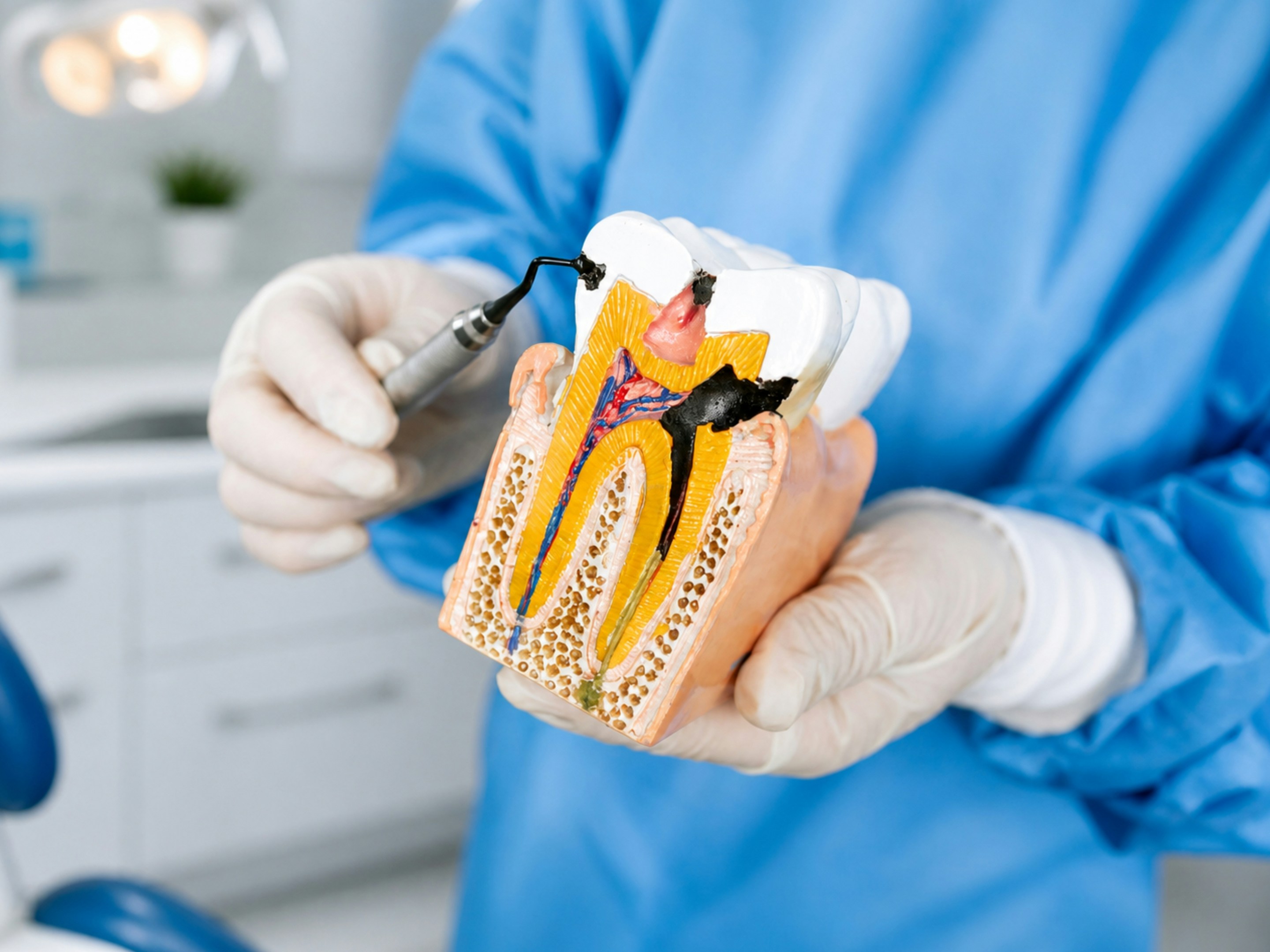
Standard cleaning removes plaque and tartar from the tooth surface above and just at the gumline. Scaling and root planing extends this process beneath the gumline, into the periodontal pockets that form when gums pull away from teeth. Tartar deposits in these pockets harbour the bacteria that perpetuate gum disease and drive bone loss.
What root planing involves
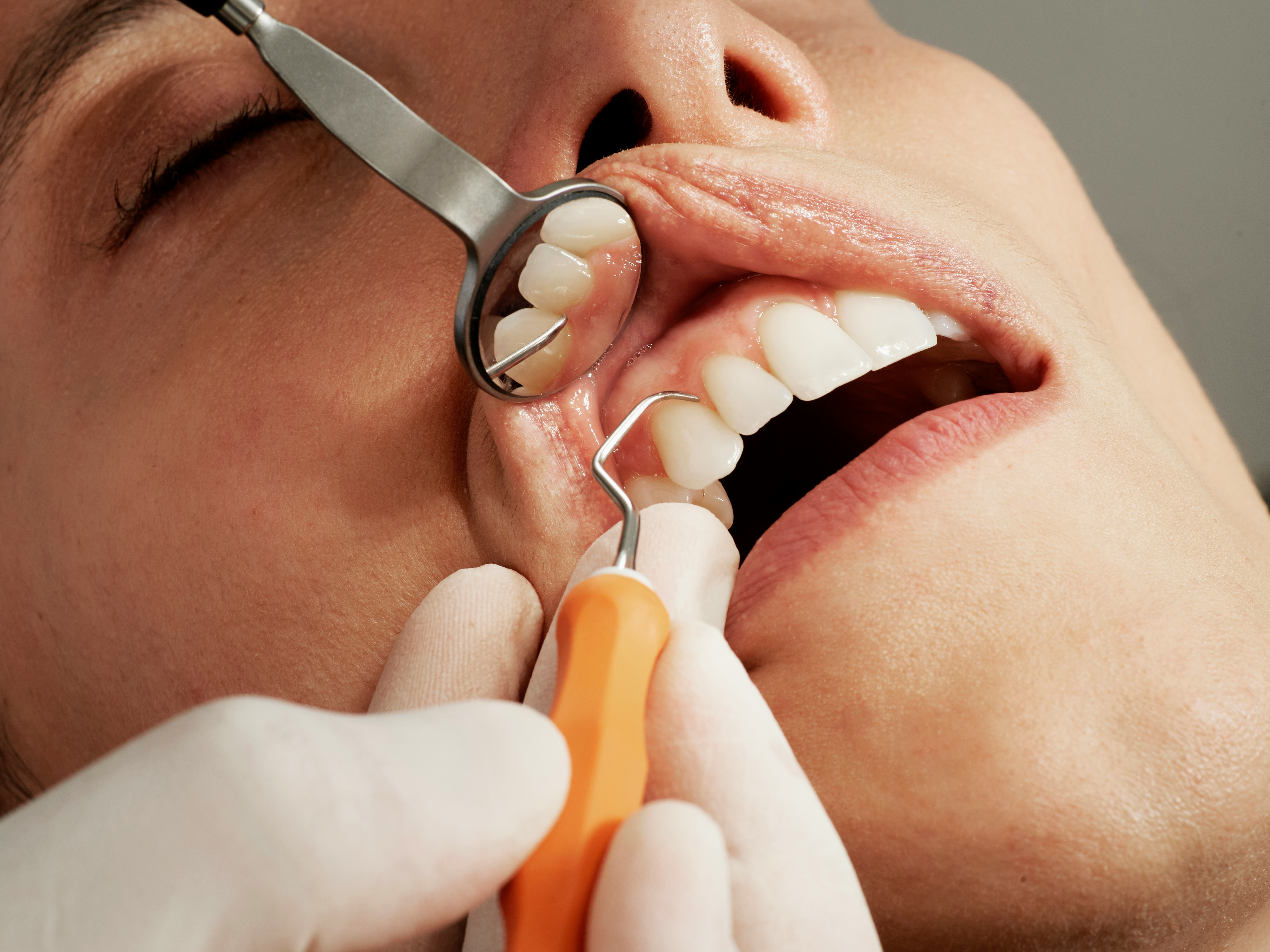
Root planing smooths the root surfaces of the teeth, removing bacterial toxins embedded in the root and creating a cleaner surface that gum tissue can reattach to. The procedure is performed under local anaesthetic and is typically completed across two appointments, treating one side of the mouth at a time.
For most patients, scaling and root planing halts the progression of gum disease and allows the gums to stabilise. It is not a cure — but it is a highly effective reset.
What to expect afterward
There is some post-treatment soreness and sensitivity for a few days, which resolves. At a review appointment several weeks later, we reassess pocket depths to measure tissue response. For most patients the improvement is significant.
Ongoing maintenance
Following scaling and root planing, professional cleaning appointments every three to four months — rather than the standard six — are recommended to sustain results long-term. Consistent maintenance is what keeps the condition from returning.
If your gums have been flagged at a recent checkup, don't put it off. Book an appointment and we'll assess exactly where things stand and what's needed.